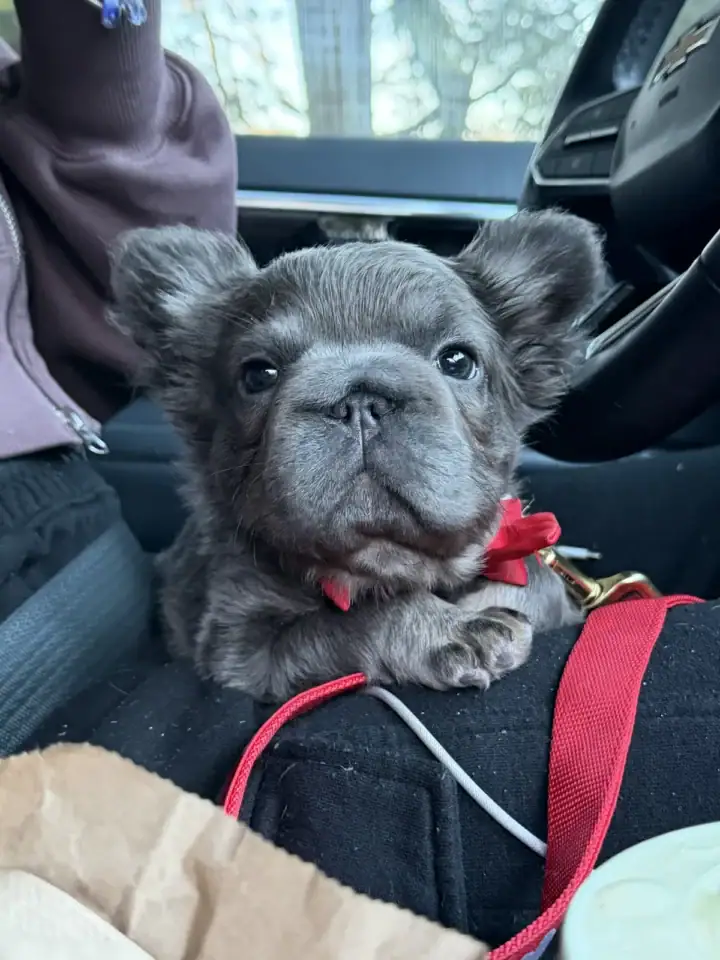
Master french bulldog potty training with simple, proven steps. Step-by-step schedule, expert tips, breeder advice, and actionable strategy.
Potty training is one of the first — and admittedly toughest — challenges new puppy owners face. When you’re raising a Frenchie, knowing how to structure your approach can make all the difference. This in-depth guide will walk you through a step-by-step potty training plan and daily schedule designed for french bulldog potty training, backed by expert advice, real owner tips, and proven methods.
By the end of this post, you’ll feel confident guiding your pup toward consistent potty success.
Why Focus on French Bulldog Potty Training?
French bulldogs have particular sensitivities — short noses, compact bodies, and sometimes digestive quirks — that make a structured, patient approach essential. While many general puppy training guides apply, you’ll get better results by tailoring them for your Frenchie’s temperament and physical traits.
The Basics: Puppy Bladder Control & Scheduling
Before diving into step-by-step instructions, it helps to understand what your puppy can reasonably do.
- Puppies don’t yet have full control over their bladder or bowels. According to the American Kennel Club Many trainers use the guideline that a puppy can hold it for about one hour per month of age plus one (so a 3-month pup ~4 hours) as an upper limit.
- But realistically, frequent opportunities are needed. Expect to let your puppy out every 1–2 hours, especially in the early weeks.
- A consistent routine gives structure. The Puppy Academy recommends aligning “potty breaks → play/training → meals → nap → repeat” to give your pup predictable patterns.
- Crate use (or confinement when unsupervised) helps because puppies usually resist soiling where they sleep. That creates a natural incentive not to potty in the crate.
With that in mind, let’s build your step-by-step guide.
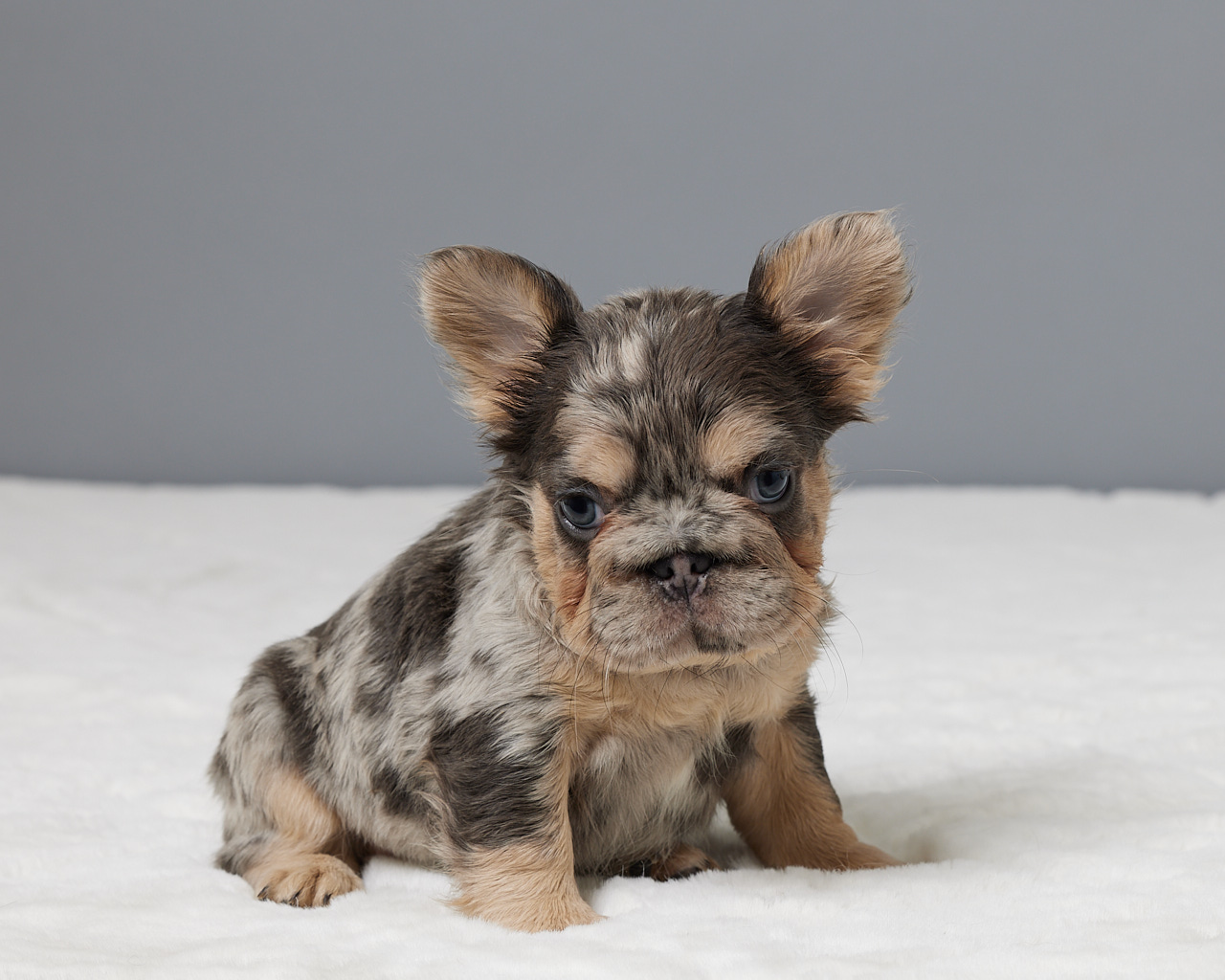
Step-by-Step Guide to French Bulldog Potty Training
Step 1: Prepare Your Environment & Tools
Before your puppy even arrives (or as early as possible), set up:
- Designated potty area. Choose a small outdoor spot (or indoor pad area, if necessary) and consistently bring your pup there. Repetition builds associations.
- Crate or confinement area. Ensure it’s sized just right — large enough for your pup to stand, turn, and lie down, but not so spacious they’ll pee in one section and sleep in another.
- Leash & harness. Even for backyard potty trips, leash control helps keep your pup focused and prevents wandering.
- Cleaning supplies. Use enzymatic cleaners (not simple bleach) to remove odors after indoor accidents so your pup won’t return to that spot.
- Treats & reward system. Use high-value, easy-to-chew treats exclusively for potty successes.
- Training cues / words. Pick a consistent phrase like “go potty,” “do your business,” or “outside potty.”
Step 2: Establish a Frequent Potty Schedule
Set your daily schedule around your puppy’s age and needs:
| Time / Trigger | Action |
|---|---|
| Upon waking in morning | Immediately take pup to the potty area |
| After meals/drinking | Within 5–20 min, take them out (or to pad) |
| After naps or crate rest | Promptly to potty spot |
| After play / excitement | Often these trigger potty needs |
| Before bedtime | One last trip to potty area |
| Midnight (if needed) | For young pups, a scheduled night break may help |
Because french bulldog potty training depends on consistency, treat these outings as non-negotiable. Avoid letting downtime grow too long.
The Puppy Academy suggests revising your schedule every 1–2 weeks, extending intervals by 15–30 minutes only when your pup shows reliability.
Step 3: Supervise Closely & Recognize Signs
Until your pup is reliably trained, constant supervision (when not in crate) is vital:
- Watch for signals: sniffing, circling, whining, walking in tight circles, scratching floors
- When you see a signal, gently guide them (on leash) to the designated spot
- If they start eliminating indoors, interrupt calmly (clap, say “ah-ah,” not harshly) and immediately bring them outside
- Reward only after they finish elimination in the correct spot
- Utilize a potty journal or log (time, context, success/failure) to identify patterns.
As one commenter put it:
“Crate train the pup. Keep them tethered to you when not in the crate. Take them out after play, eating or drinking, and after they wake up.” Reddit
Supervision + timely redirection + consistent reward is the trifecta for french bulldog potty training success.
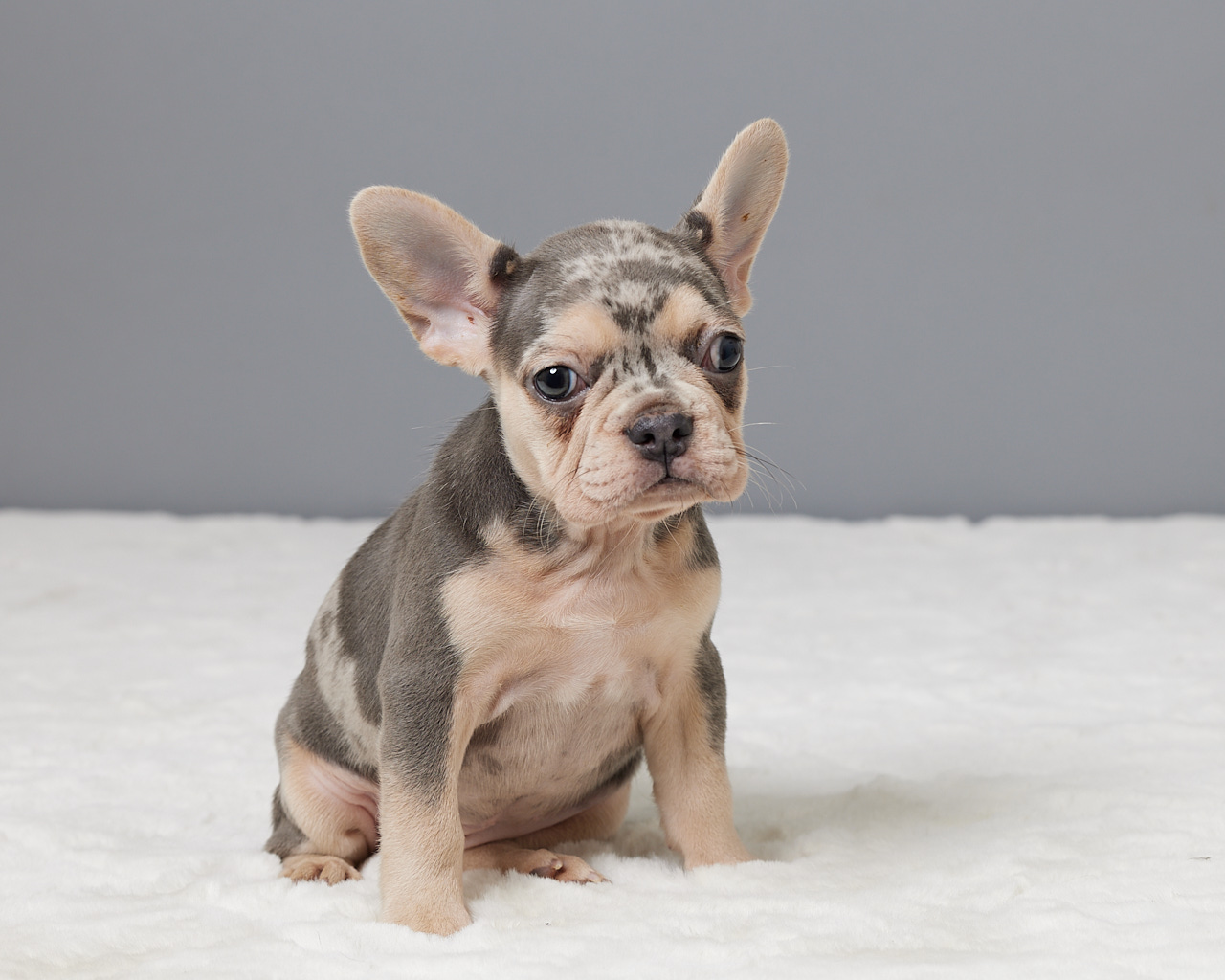
Step 4: Use Crate Time Strategically
Crates aren’t punishment — they are a training tool:
- Use it only when you’re not able to supervise, such as during short errands or when sleeping
- Start with short intervals, then gradually lengthen them as your pup shows control
- Always take the puppy out immediately after removing from crate
- Never leave them too long — if it’s past their control window, expect accidents
- Crates taught in the first weeks help cement the association of “den area = do not potty here”
If your pup does go inside the crate, that’s a sign your schedule or intervals may be too long. Scale back and retrain.
Step 5: Reward, Praise, and Reinforce
A huge part of potty training is making success rewarding:
- Use a verbal cue (“go potty”) as your pup starts elimination
- As soon as they finish, praise calmly and give the treat — better while still outside the potty spot (not after returning inside)
- Keep the reward process consistent and enthusiastic
- Avoid punishing or scolding accidents — that can create fear or confusion. Cleaning quietly and resetting supervision is more effective.
- As success becomes routine, gradually fade out super high-value treats and shift to praise or occasional rewards
Step 6: Gradual Freedom & Consistency
Once your pup reliably eliminates outdoors or in the correct spot multiple days in a row:
- Expand their supervised living area gradually (one room at a time)
- Continue supervision and redirection when in new zones
- Maintain periodic scheduled potty breaks
- Be cautious about giving too much freedom too early — regression can occur
- Monitor for when your pup starts signaling you (going to the door, whining) — that’s a positive sign of learned behavior
The VCA recommends that after eight consecutive weeks without accidents, more freedom may be granted.
Sample 8-Week Potty Training Schedule (French Bulldog Focus)
Below is a sample timeline adapted for french bulldog potty training. Adjust based on your pup’s age, temperament, and progress.
| Week | Goal | Approx Interval | Notes |
|---|---|---|---|
| Week 1 | Establish baseline, expect many accidents | 1–2 hrs | Very high supervision, focus on cues and immediate trips |
| Week 2 | Improve consistency, fewer accidents | 1.5–2 hrs | Start lengthening a little, reinforce frequently |
| Week 3 | Begin reliability in morning/evening | 2 hrs | Monitor midday, use logs to track trouble windows |
| Week 4 | Reduce inside accidents | 2–2.5 hrs | Increase crate time, maintain supervision |
| Week 5 | More confidence, fewer reminders | 2.5–3 hrs | Begin supervised roaming in limited areas |
| Week 6 | Signal training, cue strengthening | 3 hrs | Begin teaching pup to alert to door or bell |
| Week 7 | Longer stretches, greater independence | 3–4 hrs | Continue monitoring and adjusting as needed |
| Week 8 | Near full control (daytime) | 4 hrs | Nighttime control may still need breaks depending on age |
This schedule is not rigid — french bulldog potty training requires tuning to your puppy’s unique pace. If regressions occur (very common), revert to shorter intervals and more supervision until stability returns.

Tips & Troubleshooting for French Bulldog Potty Training
Here are additional insights to help maximize success, especially for Frenchies:
1. Watch for breed-specific sensitivities
French bulldogs can have digestive sensitivities, gassiness, or slower digestion. Keep a consistent diet and monitor stool regularity. Sudden changes may lead to accidents beyond your pup’s control.
2. Avoid overfeeding or late-night big meals
Feed on a schedule and pull food a few hours before bedtime so you reduce overnight potty needs.
3. Use cooling pads or shaded zones for outdoor bathroom times in heat
Frenchies may take longer to eliminate in heat — stay calm and patient while they finish.
4. Be careful with bell training early
While bells are fun, introducing them too early can cause puppies to ring just to go out, not necessarily to potty. Wait until your pup shows consistent signaling behavior.
5. Regression is normal
Teething, illness, stress, or changes in routine can cause temporary setbacks. Remain patient and return to a more strict schedule until your pup re-stabilizes.
6. Use enzyme cleaners after accidents
Residual scent can attract repeat accidents. Deep clean with enzymatic products designed for pet messes.
7. Stay consistent across all caregivers
If family members deviate from the schedule, it confuses the puppy. Use posted reminders or a shared schedule to ensure consistency.
Choosing a Responsible French Bulldog Breeder
A proper start matters. If you’re obtaining a Frenchie puppy, a conscientious breeder can make french bulldog potty training easier by providing early socialization, clean environments, and healthy genetics. Here’s what to look for:
- Health screenings & genetic testing
Ensure the breeder screens for common Frenchie issues (e.g. brachycephalic airway syndrome, hip issues, skin problems) and shares records. - Early socialization & structure
Puppies exposed to outside noises, crate time, potty routines, and gentle handling early will adapt more quickly during training. - Temperament & matching
A good breeder helps match your lifestyle to the appropriate pup temperament — calm, moderate energy, trainable. - Transparent breeding practices & documentation
Pedigree, registration, parent evaluations, and references should all be accessible. - Lifetime support & guarantees
Responsible breeders stand by their puppies, offering support, health guarantees, and willingness to accept the dog back if needed.
A pup raised under these conditions will already have a head start in french bulldog potty training, making your job easier and more predictable.
Final Thoughts
Mastering french bulldog potty training isn’t about overnight perfection — it’s about consistent effort, positive reinforcement, observing your pup’s cues, and gradually giving more freedom as reliability grows. If you follow the five proven steps above — preparation, scheduling, supervision, crate use, and rewarding — and adjust based on your puppy’s pace, you’re setting up a solid foundation.
If you haven’t yet selected a pup or are considering where to get your next Frenchie, start with a breeder who prioritizes health, early structure, and temperament. A strong foundation dramatically increases your chances of potty success.
✨ Ready to begin your journey with a well-bred, trainable Frenchie? Visit Serene Valley Frenchies to browse french bulldog puppies, learn about their breeding philosophy, see health certifications, and find the perfect companion for your training journey.